


You can listen to all the recordings in this article as a playlist.
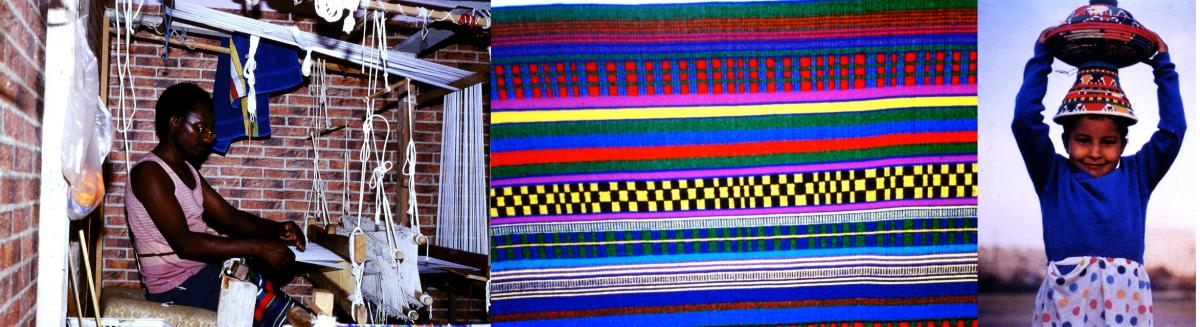
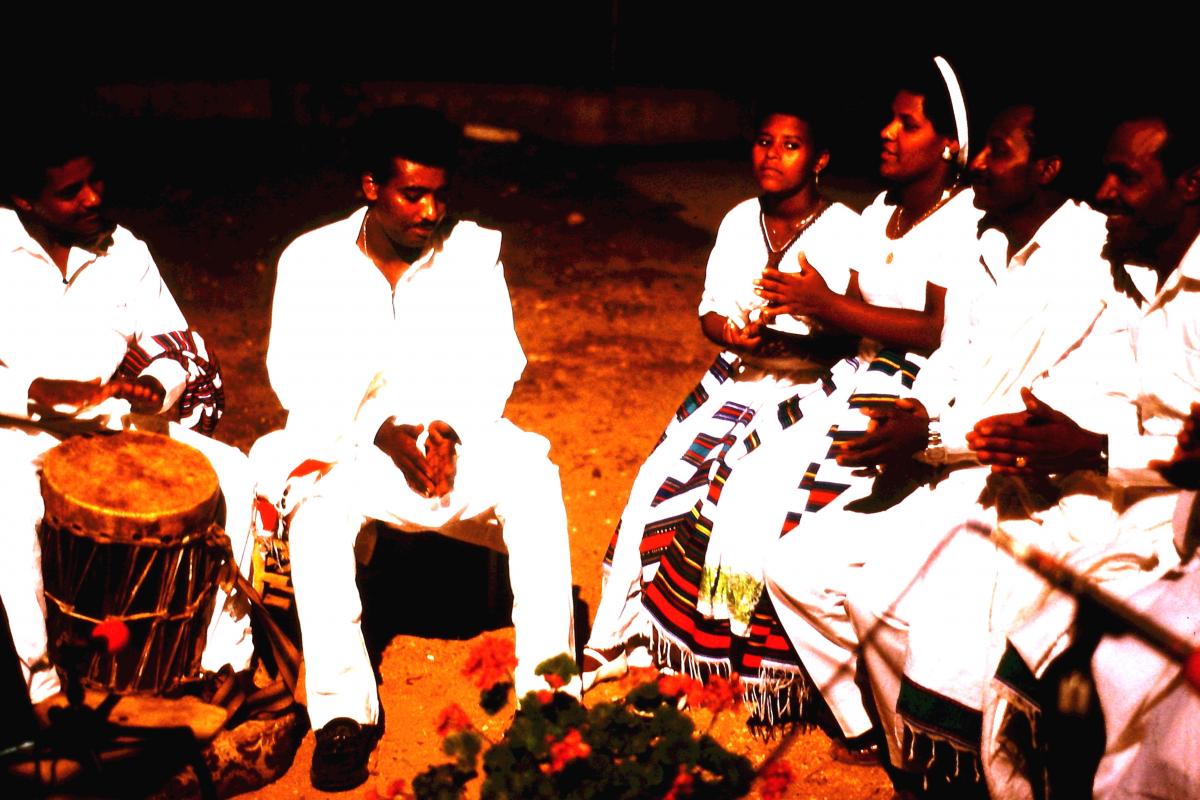
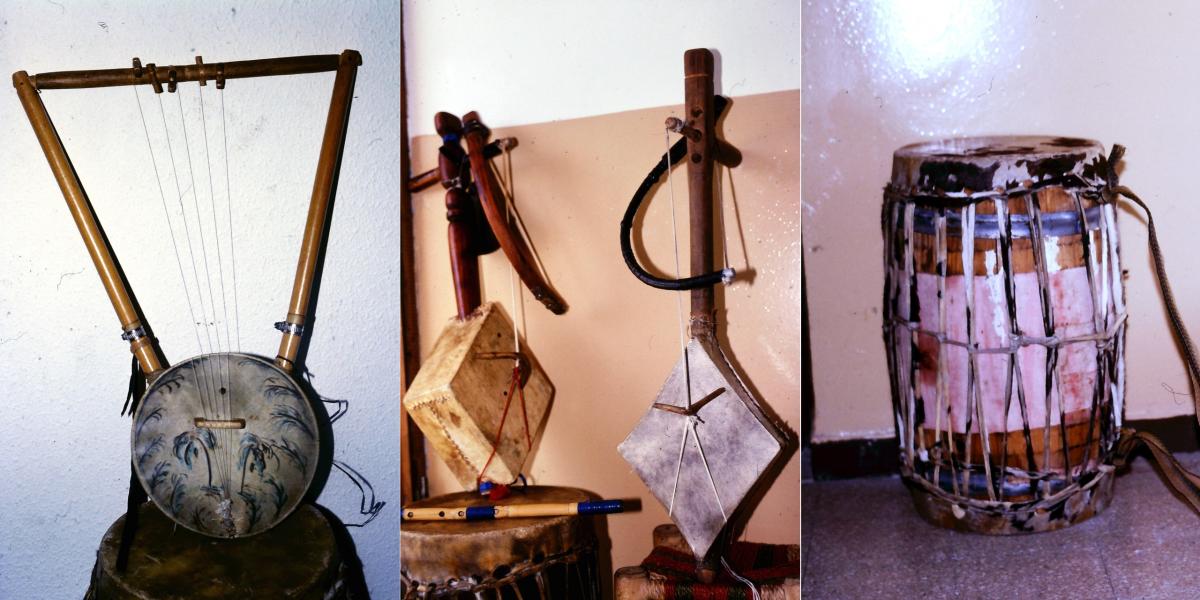
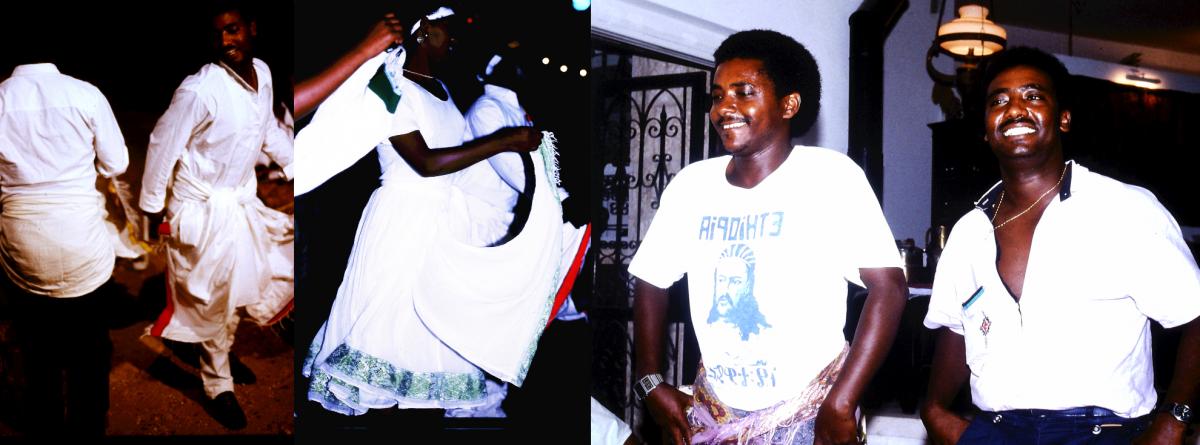
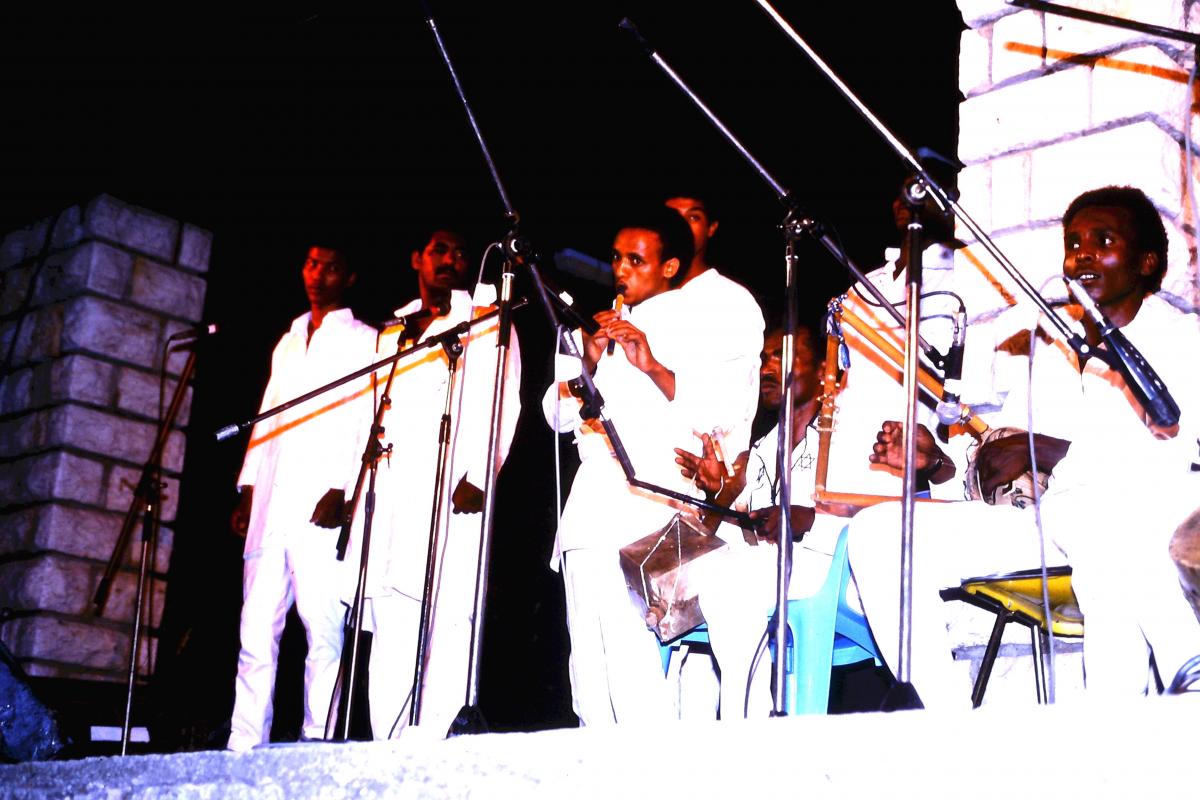
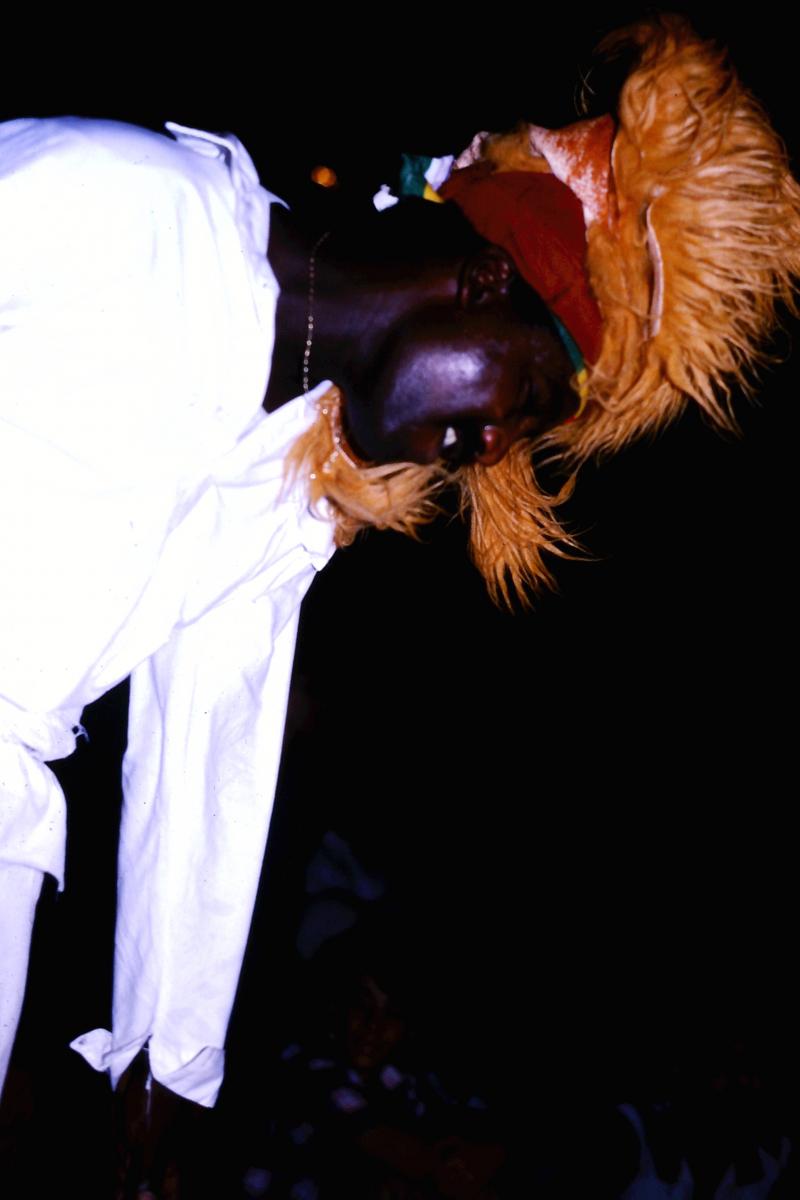
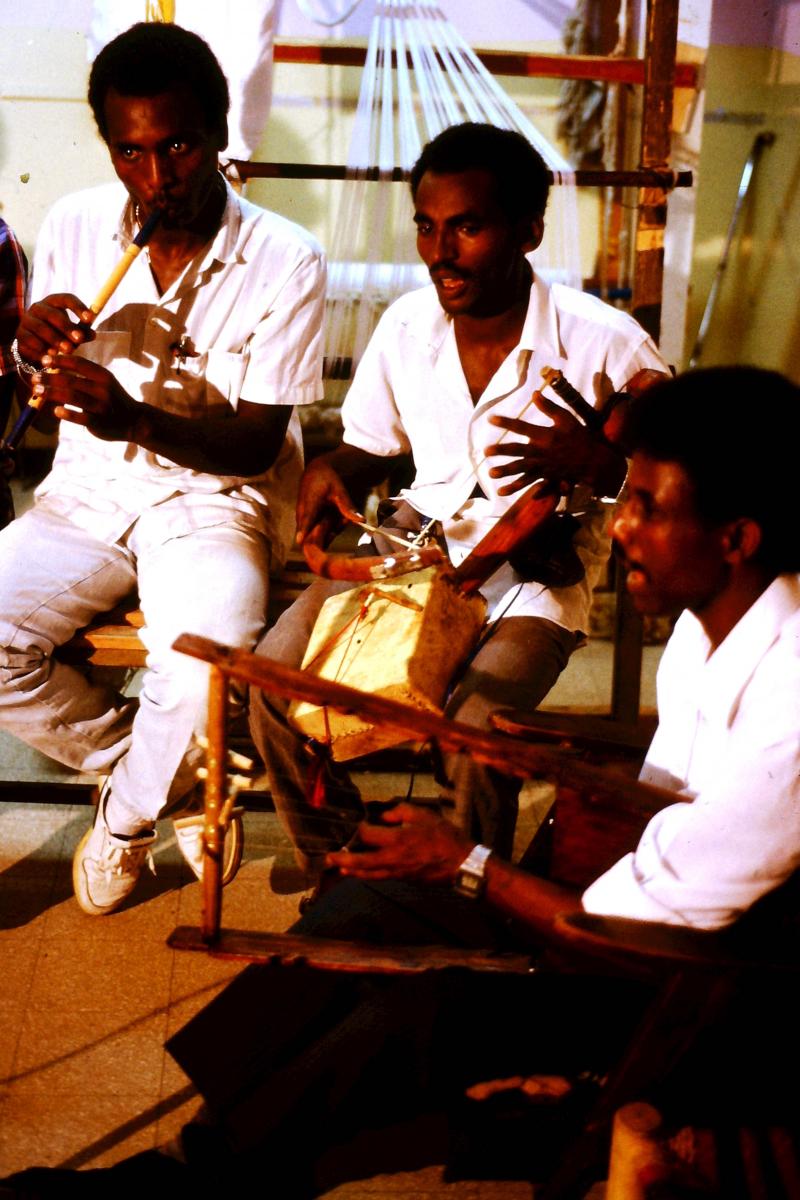
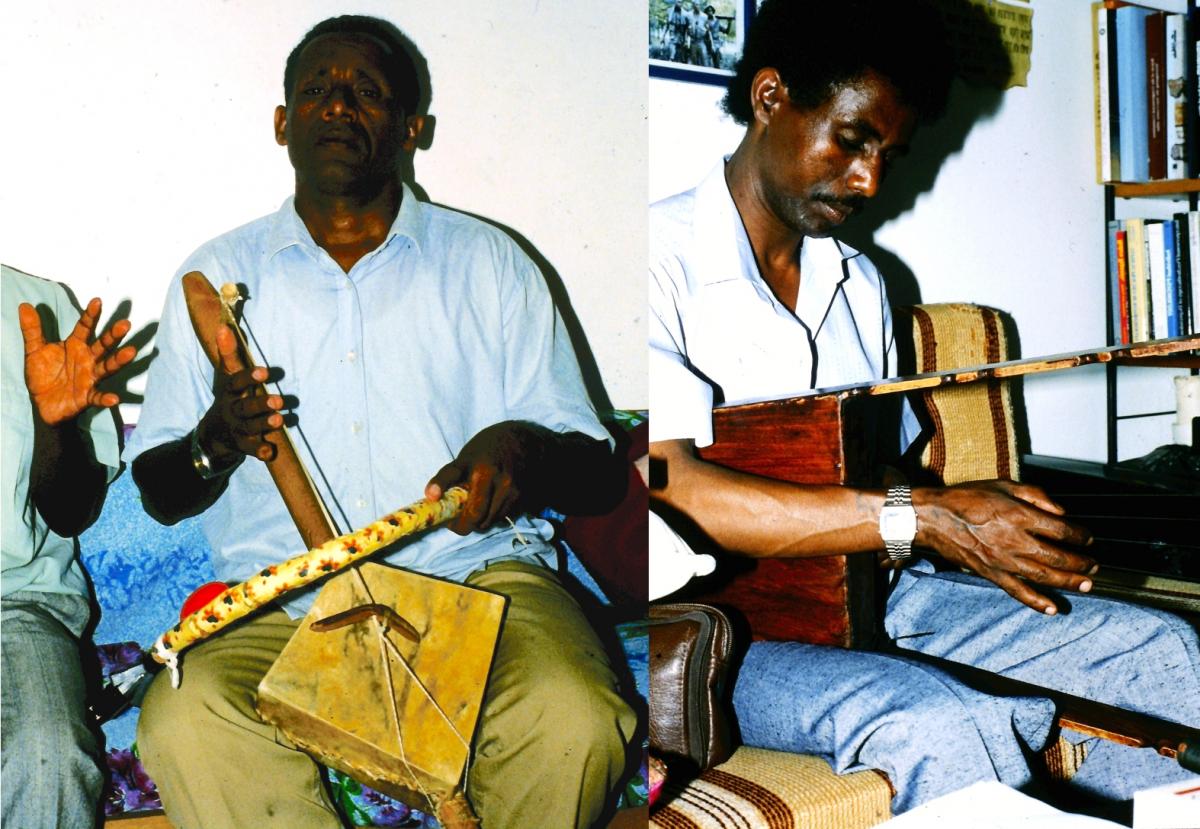
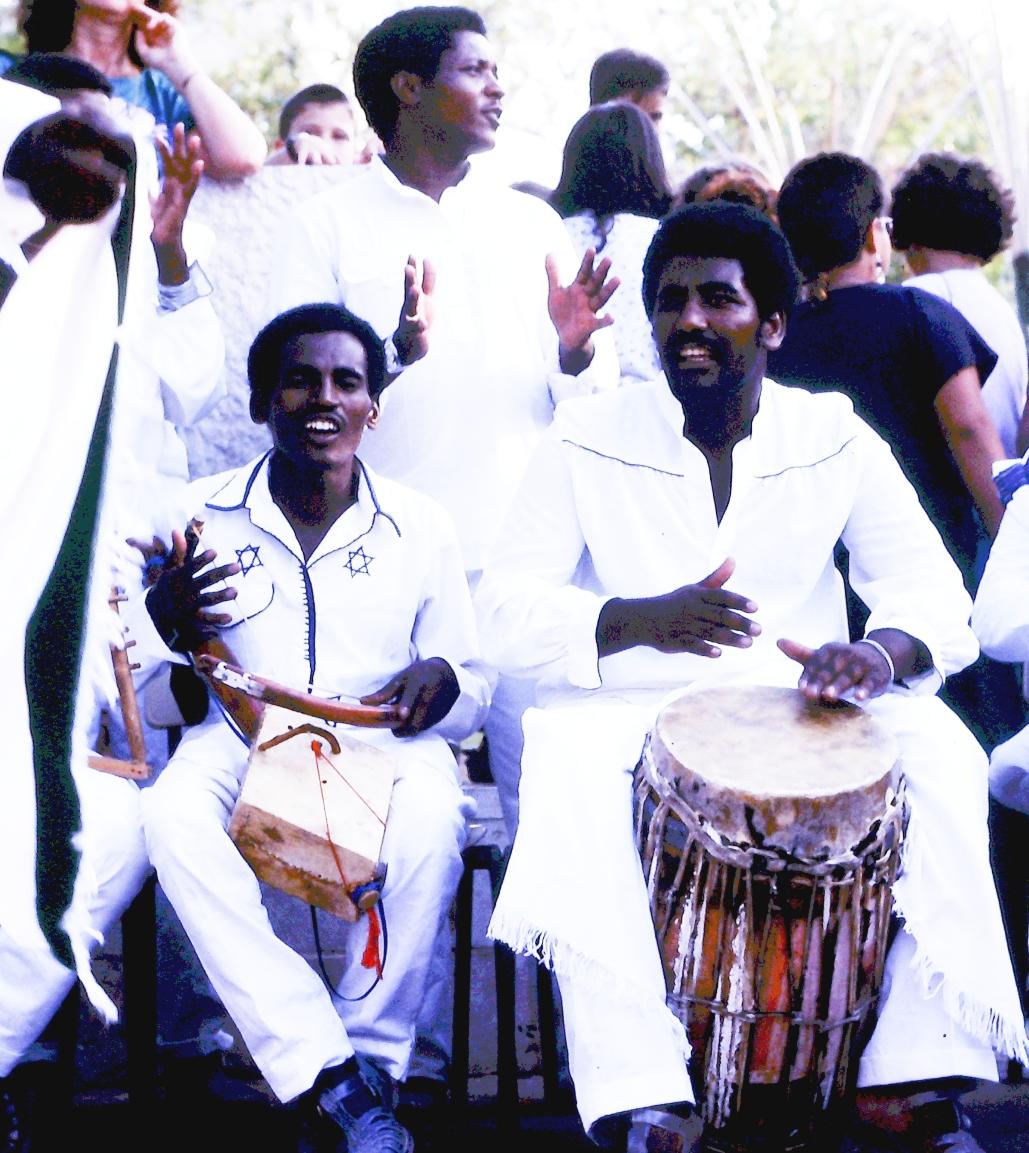
I spent the summer of 1989 living in a Nazareth Illit (today Nof HaGalil) neighborhood largely populated by new immigrants from Ethiopia, and working as a volunteer in Meseret, a center that supported traditional Jewish-Ethiopian crafts (weaving, pottery, basketry) and music. The neighborhood had grown around an absorption center (merkaz klita), where new Jewish immigrants are housed, taught Hebrew, supported in their first steps in the host society and also, inculcated with hegemonic values of Israeli citizenship. Meseret (“Tradition”), the brainchild of Gadi Negusse—who arrived with his family during Operation Moses of 1984-5, when over 6,000 Ethiopian Jews (Beta Israel) were airlifted from refugee camps in Sudan—was housed in a nearby abandoned kindergarten. The center became home to older men who spun cloth on traditional weaving looms; women who spun thread unto bobbins or brought homemade baskets and pottery to be fired at the kiln and put up for sale, and a traditional music and dance troupe. Also named Meseret, the troupe played in local community events in a variety of lineups, and with a full lineup and traditionally-clad dancers in high-exposure general-public events, such as the Safed Music Festival and the Red Sea Jazz festival. The kindergarten’s yard sported a traditional oven for baking injera (Ethiopian flatbread); later a tukul, a traditional Ethiopian hut, was built on the premises, to be used for community events and as a means of introducing tourists to Ethiopian culture. Traditional Ethiopian musical instruments including the krar (harp), masinqo (one stringed fiddle), washint (flute) and kebero (barrel drums) were prominently displayed at the center.