Year
2019


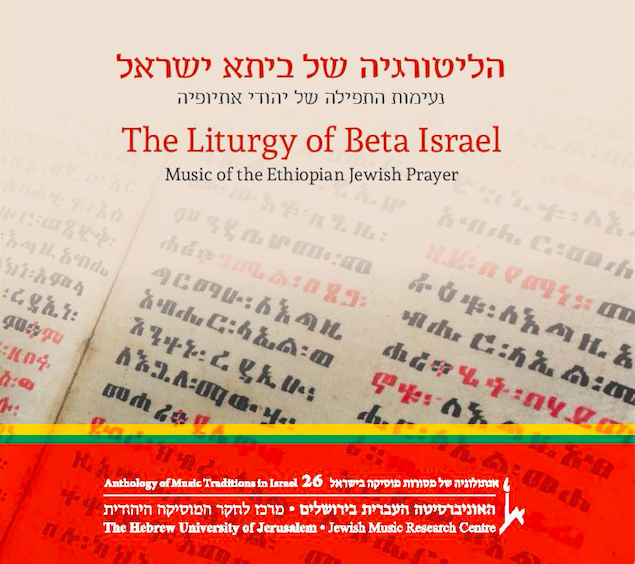

‘Āstaseryo (Yom Kippur). Soloist: Qes Yosef and others
These three pieces conclude the services of ‘Āstaseryo.
The first prayer consists of several sections. It includes verses from Psalm 136, expanded with such Biblical passages as: Psalm 104; Psalm 148; Job 29:16; Job 37; Isaiah 45:7a; Job 12:22b ; Isaiah 58:11c. It is a hymn to the powers of God as the Creator. He is called to answer the prayers of those who praise Him. He is asked to keep His creatures close to the Torah, to His Law. Those who pray petition God that they are able to pray (lit. bow) inside of God’s house in Jerusalem, and see His glory. The second prayer, entirely composed, calls upon the God of the forefathers and prophets to reveal Himself. The third prayer relates to Moses finishing all of his work.
This liturgical unit contains four distinct musical sections performed without interruption with several Qessoch succeeding each other in the soloist’s part. The first and third sections have a free rhythmic flow while the second and last ones have a steady pulse made audible by the stamping of feet and panting sounds of the performers. The first section combines antiphonal with hemiola patterns. As in Yǝtbārek… wanevāvo (track 2), the second section, in which dancing accompanies the singing, illustrates the variability of the periodicity of the hemiola: from 24 to 48 beats. The third section is different. While this section’s musical content is the same as that of the previous one, it is completely unmeasured. The last section, like the second, is accompanied by dancing, but the period of the hemiola – 24 beats – remains unchanged, even in passages when one soloist succeeds another. The festivity of the danced prayers of Beta Israel performed in the various services during ‘Āstaseryo contrasts sharply with the contemplative mood that characterizes services on the same holiday in other Jewish communities.