Year
2019


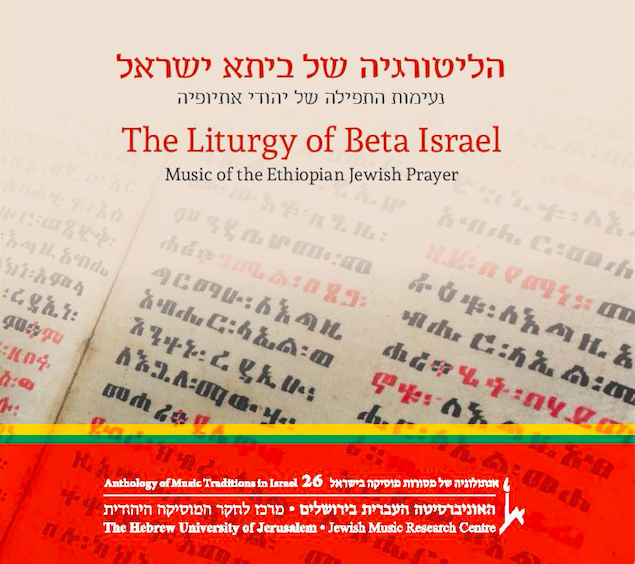

Fāsika (Passover). Soloist: Qes Yosef
This prayer is considered the equivalent to the song performed by Moses and the Children of Israel after crossing the Sea of Reeds. It is heard during the morning service of Passover, Rosh Hashana (Ber’hān Sarāqa), on the New Moon, as well as during the service on the 10th, 12th, and 15th day of each month. The text praises God in general terms, and speaks of Him as a hero. It refrains from alluding to Pharaoh, his army or the Sea of Reeds itself. Several Biblical quotes included in this text are from Exodus 15 (the Song of Moses or Song of the Sea), second half of verse 2, and verses 6 and 15. Also included are portions of Moses’s farewell song in Deuteronomy 32, verse 3 and the first half of verse 10. These last quotes are introduced by the formula “I shall sing the song …”
The piece has two sections – the first is antiphonal and the second in the hemiola pattern. The eight verses of the first part give rise to numerous ornamental variants, both in the hemistich of the soloist and in that of the choir. The rhythmic flow of this prayer, apparently free, is nonetheless regulated. In Ethiopia, two percussion instruments – a gong and a frame-drum – accompanied its performance in an ostinato consisting of five equal durations of which the first, third and fourth were marked by a stroke. The choir part includes the frequent superposition of different melodic patterns, thus generating an embryonic polyphony.